The Future of Marketing: Will AI Replace Human Creativity?
In the rapidly evolving digital world, The Future of Marketing is a significant transformation in underway—one that combines human creativity with the growing power of artificial intelligence (AI). As technology advances, a common question arises: Will AI replace human creativity in marketing?
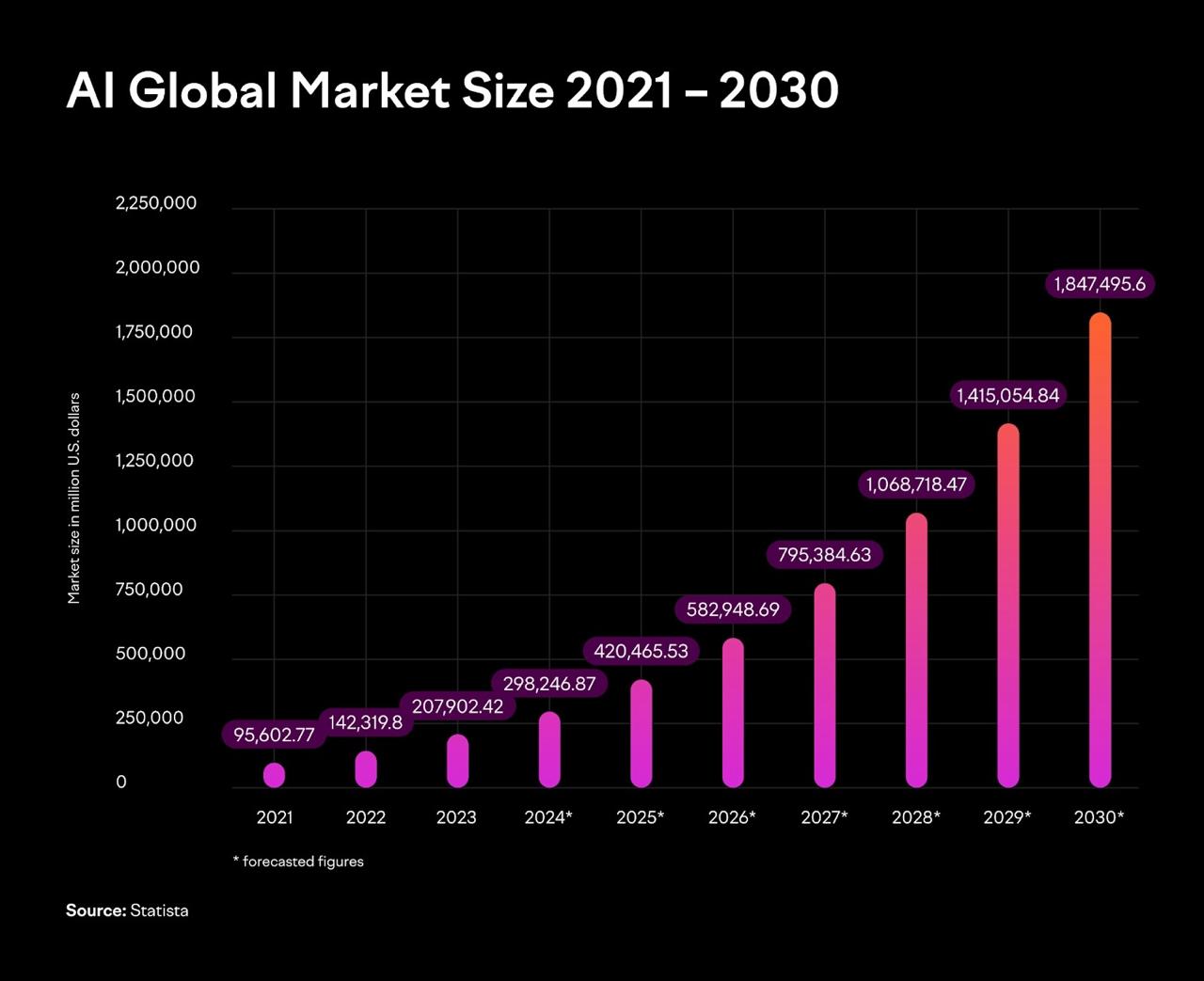
AI has already begun reshaping how businesses operate, from automating processes to personalizing campaigns and creating content. In fact, the global AI market is projected to reach USD 190.61 billion by 2025, growing at a 42.2% CAGR. But with all this innovation, do we risk replacing the unique spark of human creativity?
Let’s talk about it. Recently, we had an engaging group discussion with entrepreneurs, marketers, and business leaders about the future of marketing. And the consensus? Human creativity is irreplaceable. No machine, no matter how advanced, can replicate the human touch—whether it’s understanding emotions, telling a compelling brand story, or making intuitive decisions.
That said, one thing is certain: AI is here to stay and its influence in the marketing world is expanding rapidly. Will it replace creativity entirely? The answer is no, but it might reshape how creativity is executed in the future. As AI technology continues to evolve, businesses will increasingly demand AI-powered tools for their marketing needs.
In this article, Cosnet explores how AI is changing the marketing landscape and whether it will replace human creativity or simply enhance it. We’ll share some staggering stats, provide insights, and discuss the potential future of marketing in a world where AI plays a significant role.
The Growing Role of AI in Marketing
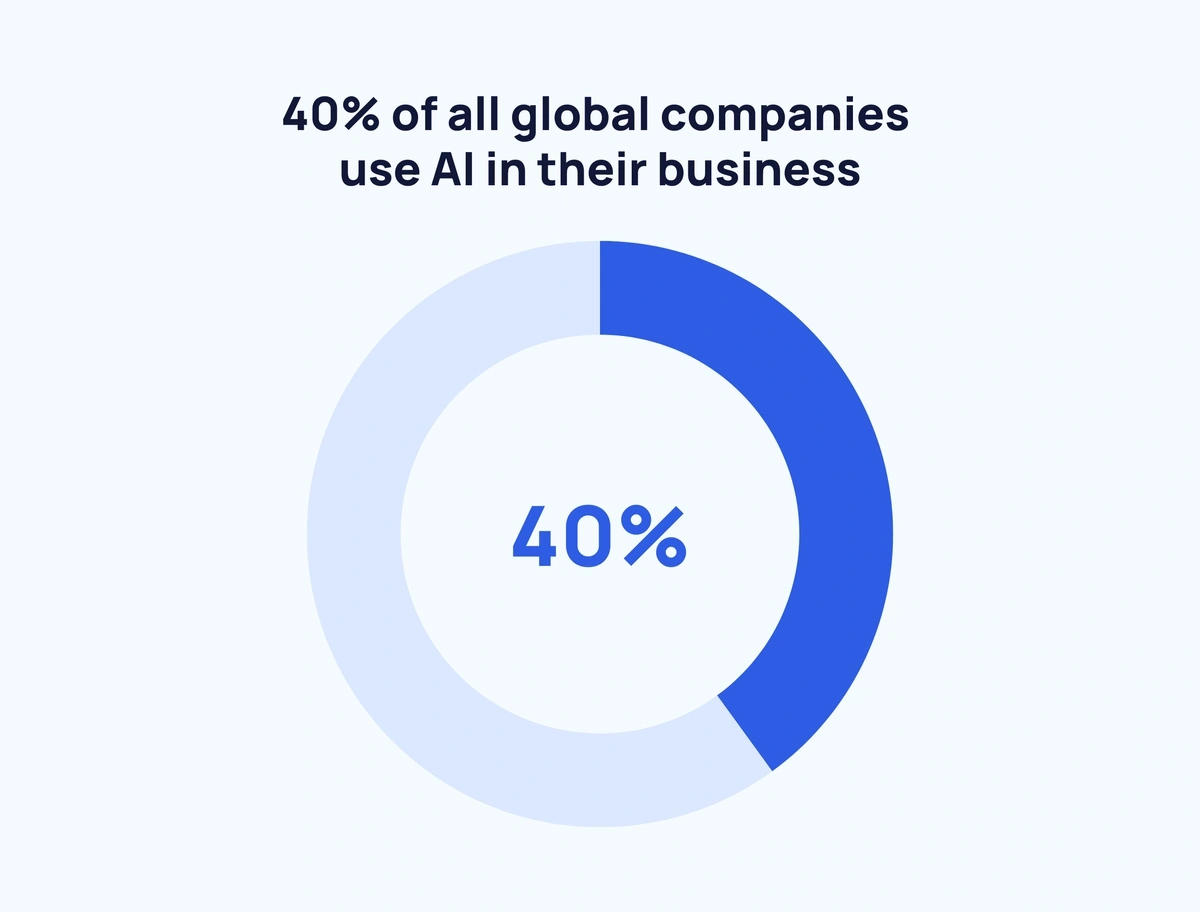
AI’s role in marketing has evolved from simple automation to complex content generation, personalization, and decision-making. It’s estimated that by 2025, AI in marketing will contribute over $40 billion to the industry globally. The statistics are compelling, showing that AI is not just a trend but a revolution:
| Statistical Metric | Value |
| AI’s Contribution to Marketing in 2025 | $40 billion |
| AI-Powered Customer Personalization Growth | 10-30% increase in revenue |
| Brands Using AI for Content Personalization | 61% of companies in 2024 |
| Expected Growth of AI in Marketing Industry | 42.2% CAGR from 2020-2025 |
AI’s influence on marketing is undeniable. According to a McKinsey report, 61% of companies are already using AI to enhance customer experience, and AI in marketing is projected to become a $40 billion industry by 2025. These numbers reflect a clear shift toward automation, predictive analytics, and AI-driven content creation.
AI tools like ChatGPT, DALL-E, and Google’s BERT are capable of generating high-quality text, images, and personalized content, making marketing more efficient and cost-effective. In fact, businesses that have implemented AI-driven personalization have seen a 10% to 30% increase in revenue. This shows that AI is not only reshaping marketing strategies but driving real, measurable results.
But the real question remains: Will AI replace the imaginative aspects of marketing that humans bring to the table?
 AI as a Tool for Enhancing Human Creativity
Human creativity has always been the driving force behind groundbreaking marketing campaigns—think of Apple’s iconic “Think Different” campaign, Nike’s motivational “Just Do It” slogan, or Coca-Cola’s timeless ads. These campaigns resonated because they were built on a deep understanding of human emotions, cultural context, and storytelling. AI cannot replicate this level of emotional intelligence.
However, AI offers the potential to amplify creativity, not replace it. With the right tools, AI can automate repetitive tasks, analyze vast amounts of data, and generate content ideas in seconds, allowing human marketers to focus on strategy and creative direction. According to PwC, 72% of business leaders believe AI will have a net-positive impact on their business by improving productivity and creativity. AI can handle the heavy lifting, while human minds focus on delivering the innovative ideas that resonate with customers.
AI tools like Google’s AI, which predicts customer behavior, or DALL-E, which creates images from text descriptions, are already enhancing creativity rather than replacing it. For instance, Coca-Cola and Unilever are using AI to create personalized marketing campaigns based on consumer preferences. These tools enable brands to offer more targeted and creative messaging, but they still rely on human creativity for the strategy and emotional connections that drive brand loyalty.
Human Creativity: The Core of Marketing
AI may enhance productivity, but it cannot replace the human touch. Here’s why human creativity remains indispensable:
- Storytelling: Storytelling is at the heart of marketing, and it requires an emotional connection. AI can assist in crafting narratives, but it cannot connect with audiences the way human marketers can. Marketers who understand human emotions, cultural nuances, and social trends are essential to effective storytelling.
- Brand Identity: Creating and maintaining a brand’s identity is a human-centric task. While AI can offer suggestions, humans are the visionaries behind a brand’s persona, values, and mission.
- Innovation and Inspiration: AI can automate repetitive tasks but it can’t generate groundbreaking, original ideas. Humans are the ones who push boundaries, explore new possibilities, and create unexpected solutions.
- Strategies: In marketing, strategy in human creativity refers to the deliberate and structured approach to harnessing creative thinking for brand storytelling, engagement, and differentiation. It is the fusion of creativity with strategic intent, ensuring that ideas are not just imaginative but also aligned with business goals and customer needs.
What the Future Holds: A Coexistence of AI and Creativity
The future of marketing will likely see AI and human creativity working hand in hand. While AI can enhance productivity and efficiency, human marketers will continue to provide the emotional intelligence, intuition, and imaginative strategies that machines cannot replicate.
As AI technology continues to mature, it is clear that it will become an indispensable part of marketing. According to Gartner, 85% of customer interactions will be managed without human agents by 2025, thanks to AI-powered chatbots and automation. This will free up human marketers to focus on higher-level tasks, such as strategic thinking and creating innovative brand narratives.
Even though AI in marketing is growing, it’s important to remember that human creativity will always play a vital role. While the AI demand will rise, it will serve as a complement to human creativity, not a replacement. As a result, businesses that successfully integrate AI into their marketing strategies will benefit from both efficiency and creativity.
Why the Future is AI-Enhanced, Not AI-Driven
As we look ahead, it’s clear that AI will complement, not replace, human creativity. In fact, 85% of businesses already acknowledge that AI is improving their productivity and efficiency, but it’s the human creativity that drives emotional resonance with the audience.
| Percentage of Companies Using AI | Impact |
| 85% | AI is improving productivity |
| 72% | AI boosts marketing creativity |
| 60% | Human creativity is irreplaceable |
The future of marketing will see AI as a co-pilot, guiding campaigns, helping with automation, and providing insights, while humans will remain at the helm, making final decisions based on their emotional and strategic understanding of the market. AI will be used to enhance creative output, streamline repetitive tasks, and enable smarter, more personalized experiences, all while leaving room for marketers to bring innovative ideas to life.
Top AI tools for digital marketing:
Artificial Intelligence (AI) has revolutionised digital marketing by enhancing efficiency, personalisation, and decision-making. Here are some of the top AI-powered tools across different aspects of digital marketing:
1. ChatGPT (by OpenAI) – AI Copywriting & Content Generation
- Use Case: AI-powered text generation for blogs, emails, social media, and customer interactions.
- Features of ChatGPT:
- Generates human-like text based on prompts.
- Can draft marketing copies, social media captions, and product descriptions.
- Helps in brainstorming content ideas and improving SEO strategies.
- Why It’s Useful: Saves time, enhances content creativity, and ensures consistency in messaging.
2. Jasper (AI Writing Assistant)
- Use Case: Content generation for blogs, ads, emails, and social media.
- Features of Jasper:
- Templates for different content types (e.g., Facebook ads, Google ads, emails).
- Supports multiple tones and languages.
- Can be integrated with Surfer SEO for optimised content.
- Why It’s Useful: Helps in scaling content production and maintaining brand voice.
3. Surfer SEO – AI-Powered SEO Optimization
- Use Case: SEO-friendly content creation and website optimisation.
- Features of Surfer:
- Provides keyword suggestions and content structure recommendations.
- Analyzes competitors’ content for better ranking strategies.
- Offers real-time content grading and improvement tips.
- Why It’s Useful: Improves search engine ranking and ensures content meets SEO standards.
4. SEMrush – AI-Powered Marketing Analytics & SEO
- Use Case: SEO, PPC, content marketing, and competitor analysis.
- Features of SEMrush:
- Keyword research and backlink analysis.
- AI-driven content optimisation and performance tracking.
- Market trends analysis and competitor benchmarking.
- Why It’s Useful: Provides data-driven insights for improving organic and paid marketing strategies.
5. HubSpot – AI-Powered Marketing Automation
- Use Case: CRM, email marketing, automation, and customer engagement.
- Features of HubSpot:
- AI-driven email automation and personalisation.
- Lead scoring and customer segmentation.
- Chatbots and AI-powered customer interactions.
- Why It’s Useful: Automates marketing processes, enhances customer experience, and drives conversions.
6. MarketMuse – AI Content Research & Strategy
- Use Case: AI-driven content research, strategy, and optimisation.
- Features of MarketMuse:
- Analyses content gaps and provides keyword/topic recommendations.
- AI-driven suggestions for improving content structure.
- Helps create comprehensive, well-researched content.
- Why It’s Useful: Enhances content relevance and improves search engine visibility.
7. Grammarly – AI-Powered Writing Assistant
- Use Case: AI-based grammar and style checking for content and emails.
- Features of Grammarly:
- AI-driven writing suggestions for clarity and conciseness.
- Plagiarism detection and tone analysis.
- Custom style guides for brand consistency.
- Why It’s Useful: Ensures professional, error-free, and engaging marketing content.
8. Persado – AI-Driven Emotion-Based Marketing
- Use Case: AI-generated emotionally engaging ad copies and email subject lines.
- Features of Persado:
- Uses AI to analyze customer emotions and engagement triggers.
- Creates compelling headlines, email subject lines, and ad copies.
- A/B testing for AI-generated content to optimise conversion rates.
- Why It’s Useful: Enhances engagement and emotional connection with audiences.
9. Chatfuel – AI Chatbot for Customer Engagement
- Use Case: AI-powered chatbot for Facebook Messenger and WhatsApp marketing.
- Features of Chatfuel:
- Automates customer responses and lead generation.
- Integrates with CRM and marketing automation tools.
- AI-based conversation flows for personalised customer support.
- Why It’s Useful: Saves time on customer interactions and improves user engagement.
10. Canva AI – AI-Powered Design Tool
- Use Case: AI-assisted graphic design for social media, ads, and branding.
- Features of CanvaAI:
- AI-powered image enhancement and template suggestions.
- Automated resizing and background removal.
- AI-driven text-to-image feature for unique designs.
- Why It’s Useful: Makes professional graphic design accessible to marketers without technical skills.
Conclusion:
In conclusion, AI will continue to play a pivotal role in the future of marketing. However, human creativity will always be a key component of successful campaigns. The future will not be a battle between AI and human creativity, but a collaboration where AI enhances creativity, making processes more efficient and personalized.
At Cosnet, we believe in the power of AI-driven marketing to unlock new opportunities for businesses while maintaining the irreplaceable value of human creativity. We help businesses integrate AI tools seamlessly into their marketing strategies, ensuring they harness the full potential of both technology and human ingenuity.
Are you ready to embrace the future of marketing with AI? Contact Cosnet today to discover how we can help your business stay ahead in this exciting new era.
FAQ’s (Frequently Asked Questions)
1. What is the future of marketing in 2025? Ans. In 2025, expect AI to drive personalization, voice search optimization to become critical, AR/VR to create immersive experiences, and social commerce to expand, while ethical marketing and data privacy will gain paramount importance in a marketing landscape heavily influenced by UGC and niche influencers. 2. What is the future of AI in marketing? Ans. The future of AI in marketing involves increased personalization, hyper-efficient automation, better customer experience and more strategic decision-making. Expect AI to revolutionize various marketing functions including content creation, ad optimization, customer journey mapping, and predictive analytics. 3. What is the best AI tools use for marketing? Ans. For marketing, consider AI tools like Jasper (for content generation), Clearscope (for content optimization), and ChatGPT (for research and writing), or platforms like Sprout Social (for social media management) and Hubspot (for a suite of AI-powered tools). 4. How is AI being used in marketing? Ans. Artificial intelligence (AI) is used in marketing to analyze data, identify trends, and optimize marketing campaigns. AI can also help with personalization, content creation, and predictive analytics. 5. Where will marketing be in 5 years? Ans. In 5 years, marketing will be heavily reliant on AI for personalization, data analysis, and automation, with a focus on sustainability, ethical practices, and immersive experiences like VR and AR, while also adapting to evolving social media landscapes. 6. Can AI replace humans in marketing? Ans. While AI is revolutionizing marketing by automating tasks and providing data insights, it’s unlikely to replace human marketers entirely. AI excels at efficiency and data analysis, but human creativity, empathy, and strategic thinking remain crucial for effective marketing. 7. Can AI replace human creativity? Ans. While AI can assist in creative tasks and generate ideas, it’s unlikely to replace human creativity, which involves unique elements like imagination, emotion, and intuition that AI currently lacks. 8. How will AI change the future of marketing? Ans. AI is poised to revolutionize marketing by enabling hyper-personalization, automating tasks, improving customer experiences, and enhancing data analysis, ultimately leading to more effective and efficient campaigns. 9. How will AI replace humans in the future? Ans. At its core, AI is about creating intelligent machines that can mimic human intelligence. It’s like teaching computers to have their own brains’ that can perceive, reason, and make decisions based on data and patterns. Without a doubt, AI can do several chores quicker and better than human beings. 10. What is the future of digital marketing? Ans. The future of digital marketing in 2025 and beyond will be characterized by AI-driven personalization, immersive experiences, and a focus on sustainability and ethical practices, with businesses needing to adapt to evolving technologies and consumer behaviors.