Use Cases and Examples of How Adaptive AI is Transforming Industries
Imagine a world where technology doesn’t just react, but evolves, learns, and adapts to new challenges. That’s the use cases of adaptive AI – a game-changing technology transforming industries in ways we never thought possible. From healthcare to finance, and from retail to manufacturing, adaptive AI is stepping in to make processes smarter, more efficient, and personalized. Instead of relying on static algorithms, it continuously adjusts based on new data, unlocking incredible potential for businesses to stay agile and competitive. In this blog, we’ll dive into exciting use cases and real-life examples that showcase how adaptive AI is reshaping industries, driving innovation, and creating new growth opportunities.
What is Adaptive AI?
When we hear about how Adaptive AI is transforming various industries, the first question that often comes to mind is, “What is Adaptive AI?”
To clarify, Adaptive AI refers to the ability of an AI system to learn and evolve, enhancing its performance and accuracy based on experience and feedback. This is different from traditional AI, which relies on static algorithms.
This article will explore how various industries are leveraging the use cases of Adaptive AI to innovate and optimize their operations.
Key differences between Traditional AI and Adaptive AI:
| Aspect | Traditional AI | Adaptive AI |
| Learning Mechanism | Based on predefined rules and static algorithms. | Continuously learns and adapts from real-time data inputs. |
| Adaptability | Limited adaptability; changes need to be manually programmed. | Can adjust to new situations without needing manual intervention. |
| Data Dependency | Relies on historical data for fixed outcomes. | Continuously processes and learns from new data, improving over time. |
| Flexibility | Inflexible; operates based on set conditions. | Highly flexible; adapts based on changing environments and real-time data. |
| Response to Changes | Slow to respond to changes in the environment. | Rapid response to changes and evolving data inputs. |
| Example Usage | Static decision-making systems, like rule-based chatbots. | Dynamic applications like predictive maintenance, fraud detection, and personalized recommendations. |
| Performance Over Time | Performance can degrade without updates. | Performance improves over time as the system adapts and learns. |
| Complexity | Simpler to implement and manage. | More complex to implement and requires constant learning and monitoring. |
| Examples | Chess algorithms, classic recommendation systems (e.g., movie ratings). | AI in autonomous vehicles, adaptive healthcare systems, and personalized shopping experiences. |
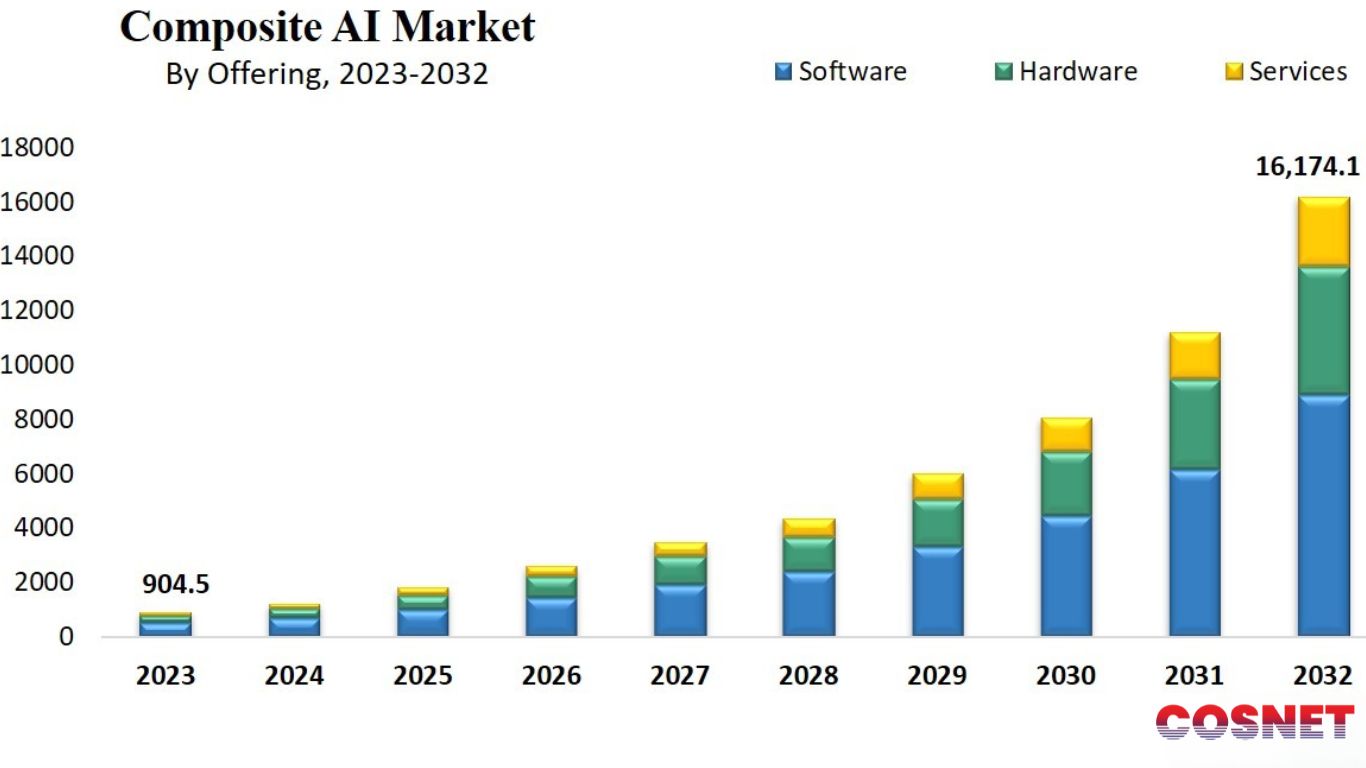
Adaptive AI Use cases & Real life examples:-
- Healthcare:
- Predictive Analytics for Patient Outcomes: Adaptive AI is used to predict patient outcomes, allowing healthcare providers to intervene early, optimize resources, and improve overall care. Hospitals like the NHS in the UK have implemented AI tools to assist doctors in making more informed decisions quickly.
- For Example: Google Health’s AI for Early Diagnosis
Google Health has developed AI models that can predict what are the chances of a person who can develop diseases like diabetes, heart disease, and cancer. These AI models can also analyze medical records, genetic data, and lifestyle factors. - Personalized Medicine: Adaptive AI helps in creating personalized treatment strategies by analyzing patient data. For example, IBM’s Watson Health assists in providing tailored care plans by processing vast amounts of medical data.
- Example: IBM Watson Health
IBM’s Watson Health uses adaptive AI to assist in diagnosing cancer and formulating personalized treatment plans. It processes vast amounts of medical data, including clinical trials, patient records, and medical journals, to provide doctors with personalized treatment recommendations. Over time, Watson adapts and learns from new patient data, improving its accuracy and efficiency.
2. Finance:
- Real-time Fraud Detection: Banks and financial institutions use adaptive AI to analyze transaction patterns in real-time, helping detect and prevent fraudulent activities. These AI systems learn and adapt to new fraud strategies over time, becoming more accurate.
- Example: Mastercard’s Adaptive Fraud Prevention System
Mastercard’s fraud detection system uses adaptive AI to analyze real-time transaction data to detect fraudulent activity. As it processes more transactions, the AI becomes better at identifying fraud patterns and anomalies, reducing false positives and improving fraud detection. - Adaptive Credit Scoring: Adaptive AI evaluates non-traditional data points, such as online behaviors and transaction histories, to assess creditworthiness. This method provides more inclusive and precise risk assessments compared to traditional credit scoring methods.
- Example: Zest AI
Zest AI uses cases of adaptive AI to improve credit scoring by considering more data points beyond traditional credit reports, such as social media activity, spending habits, and even geolocation data. The AI continuously refines its model based on new financial behaviors, providing more accurate credit scores.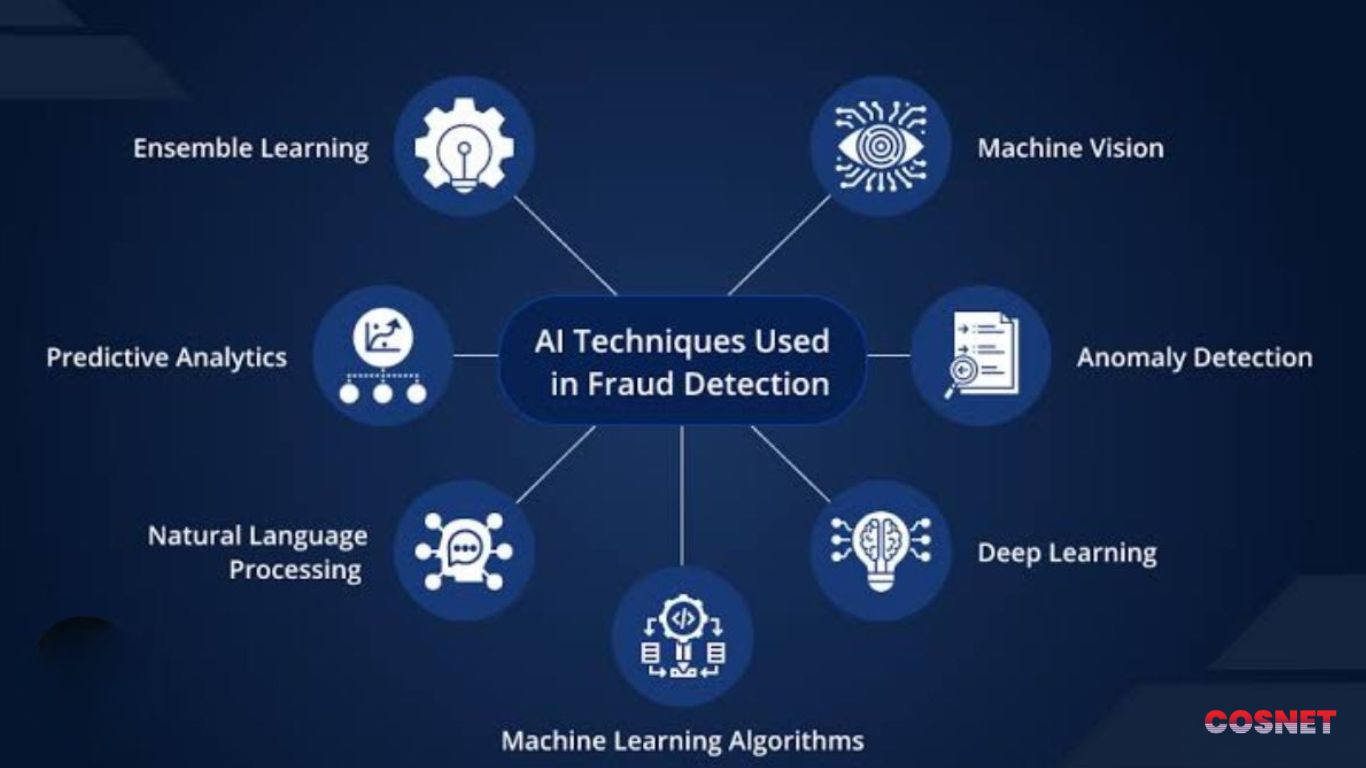
3. Manufacturing:
- Predictive Maintenance: Manufacturers use adaptive AI to predict equipment failures before they occur. AI models analyze sensor data from machinery and equipment to identify patterns, predicting breakdowns, and allowing for timely maintenance, which minimizes costly downtime.
- Example: General Electric (GE) Predix
GE’s Predix platform uses adaptive AI to monitor and predict the health of industrial machines. The system collects real-time sensor data from machines on the factory floor and continuously analyzes this data to predict when maintenance is required, helping prevent unplanned downtime. - Supply Chain Optimization: AI helps optimize inventory levels by forecasting demand trends. Adaptive AI ensures that the supply chain is responsive to changes in demand, preventing stockouts or overstocking.
- Example: Siemens Digital Industries
Siemens uses adaptive AI to optimize supply chains by predicting demand, managing inventory, and improving distribution. The AI continuously learns from various data inputs, including sales data, market trends, and global events, to make real-time supply chain decisions.
4. Customer Service:
- AI-powered Chatbots and Virtual Assistants: Adaptive AI-driven chatbots provide real-time, personalized responses to customer queries. They learn from every interaction, becoming more efficient over time. Companies like Bank of America and KLM are using such AI tools to enhance customer service.
- Example: Mitsuku Chatbot
Mitsuku, one of the most advanced AI chatbots, uses adaptive AI to improve its conversational capabilities over time. By learning from user interactions, it can engage in more natural, personalized conversations, providing users with quick and accurate responses.
5. Marketing:
- Targeted Advertising: It is used in digital marketing to analyze consumer behavior and create personalized ads. These AI systems continually adjust based on user responses, improving ad targeting and increasing conversion rates.
- Meta (Facebook & Instagram) – Real-Time Ad Personalisation
Meta’s ad delivery system uses adaptive AI to predict which combination of ad creative, audience, and placement will perform best for each user. - Example:
When promoting a fashion brand, Meta’s AI might show a video ad to a 25-year-old on Instagram Stories, while the same product might appear as a carousel ad to a 35-year-old browsing Facebook Marketplace. The system continuously learns and optimises based on engagement signals—likes, scroll depth, and conversions.
Examples of Adaptive AI in Action
| Industry | Company | AI Application | Impact |
| Healthcare | IBM | Watson Health | Assists in personalized treatment planning by analyzing vast medical data. |
| Finance | Various Banks | Fraud Detection Systems | Monitors transactions to identify and prevent fraudulent activities. |
| Manufacturing | General Electric | Predictive Maintenance Systems | Reduces equipment downtime by forecasting maintenance needs. |
| Retail | Amazon | Recommendation Engines | Enhances customer experience through personalized product suggestions. |
| Transportation | Uber | Dynamic Pricing and Route Optimization | Balances demand and supply while optimizing travel routes. |
| Customer Service | Various Companies | AI Chatbots and Virtual Assistants | Provides instant customer support, improving satisfaction and reducing operational costs. |
Adaptive AI is undeniably revolutionising industries, bringing a new level of efficiency, precision, and intelligence to sectors ranging from healthcare to marketing. By constantly learning and evolving based on real-time data, adaptive AI is not just enhancing existing processes but also enabling innovations that were previously unimaginable. Whether it’s in predictive analytics, dynamic content generation, or optimising operational workflows, the future looks promising as AI continues to evolve.
At Cosnet, we understand the immense potential of adaptive AI to drive transformation across various industries. With our expertise in AI-driven solutions and a proven track record of delivering cutting-edge technology, we are equipped to help businesses harness the power of adaptive AI to streamline operations, enhance customer experiences, and optimise decision-making processes. If you’re looking to integrate adaptive AI into your operations, Cosnet is here to guide you through the journey with tailored solutions that align with your goals and objectives.
Let’s embrace the future together—transform your business with Cosnet’s innovative AI solutions.
Frequently Asked Questions (FAQs)
Q1: What is the difference between adaptive AI and traditional AI?
- Traditional AI operates on fixed algorithms, while adaptive AI evolves by continuously learning from new data inputs. This ability to adjust and refine its operations in real-time makes adaptive AI more flexible and efficient.
Q2: How does adaptive AI enhance customer service?
- Adaptive AI enhances customer service by enabling the use of chatbots and virtual assistants that offer personalized, instant responses. It also leverages sentiment analysis to gauge customer emotions and address concerns proactively.
Q3: What industries are benefiting the most from adaptive AI?
- Healthcare, finance, manufacturing, retail, and transportation are among the industries where adaptive AI is making the most significant impact by improving efficiency, personalizing services, and optimizing operations.
Q4: How do companies implement adaptive AI?
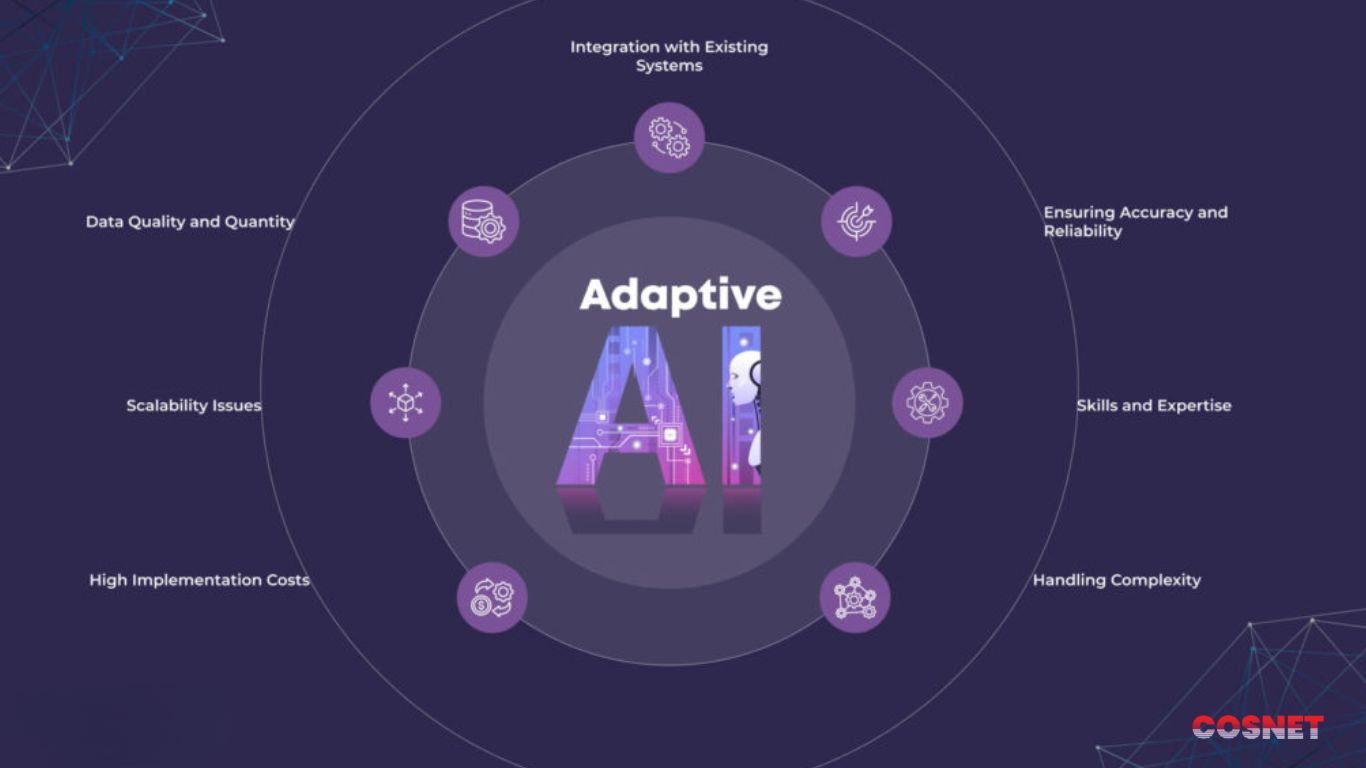
- To implement adaptive AI, companies must integrate diverse data sources, ensure the AI system can continuously learn and adapt, and focus on scalability and security.
Q5: Can adaptive AI be used in small businesses?
- Yes, adaptive AI can benefit small businesses by automating routine tasks, personalizing customer experiences, and enhancing decision-making, all of which improve operational efficiency.